01
Look for overlooked value
Start with what is available. Ask whether a material, a process or surplus energy could be put to better use.

Our engineering heritage
The story behind Sherwood Power reaches back through more than 110 years of family engineering — finding value in overlooked resources and applying practical thinking to changing industrial needs.
Explore the storyThe story behind the story
How could this resource, process or technology be put to better use?
That question connects the generations of the Hunter family: from recovering wool and washing coal, to industrial filtration, remote monitoring and renewable energy storage.
This is the family heritage behind Sherwood Power, rather than a claim that the company itself has operated for 110 years. The businesses and technologies have changed; the practical engineering outlook provides the connection.
First generation
Finding value
in what was left behind
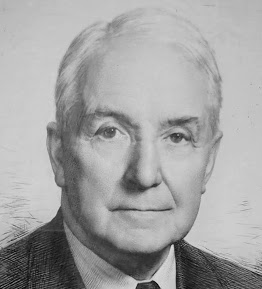
Born in Aberdeen, Sherwood Hunter’s working life took him into the wool textile industry in the North West of England.
As Alex recounts the family story, Sherwood was paid to take away scraps of waste wool. He imported a German industrial washing machine, cleaned and refined the material, then sold it back to the mills.
What others needed to dispose of became a resource that could be used again.
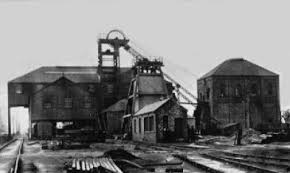
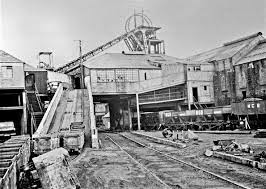
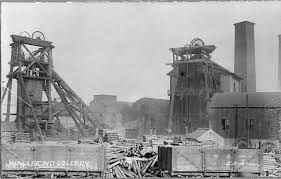
As textile work moved overseas and demand declined, Sherwood took his knowledge of washing processes to the North East of England.
His work developed into mining engineering and coal washing, applying separation and cleaning techniques to the industrial needs of the time.
The industry was different, but the approach was recognisable: understand the material, improve the process and find a practical use for the result.
Second generation
Filtration expertise
International applications
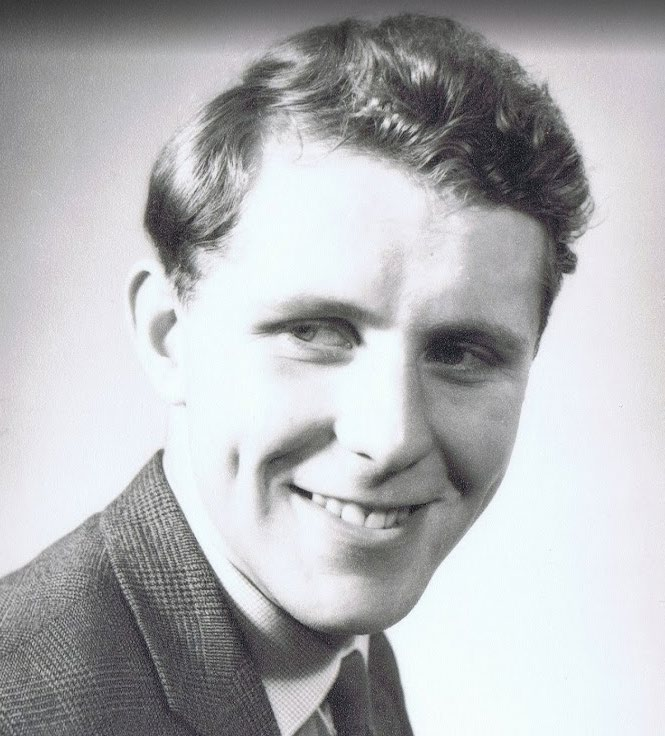
George Sherwood Hunter, born in Newcastle, and Sue Hunter helped carry the family’s engineering story into industrial filtration and separation.
In 1963, George and Sue founded domnick hunter with Keith Domnick in Birtley. The business went on to become part of Parker Hannifin.
Their work connected technical development with the practical needs of industrial customers — an approach that would continue into their next business.
George and Sue Hunter were among the founders of the filtration business.
Process Scientific Innovations was established, continuing their work in filtration and separation.
Established in 1976, the business now known as PSI Global developed specialist filtration and separation technology for international markets.
Its applications extended across industries including food and beverage, rail, semiconductors, industrial automation and automotive manufacturing.
The family story had moved from recovering materials to helping industrial processes work more effectively.


Third generation
Connecting engineering
with new opportunities

Born in Chester-le-Street, Alex studied at Central Saint Martins in London and worked at PSI Global before developing businesses of his own.
In 2002, he established a remote telematics business, with Aggreko among its key clients. That work brought together equipment, operating information and the ability to understand what was happening at a distance.
Alex later acquired a heating business in the North East, integrating solar electricity, solar thermal technology and heat pumps to help customers reduce their use of kerosene.
Today, as founder and CEO of Sherwood Power, his focus is the opportunity energy storage creates: helping renewable electricity serve business needs beyond the moment it is generated.


What connects the generations
Heritage shapes the questions we ask. Today’s engineering must answer them.
Swipe to explore
Start with what is available. Ask whether a material, a process or surplus energy could be put to better use.
Connect engineering with the conditions on site, the way a business operates and the problem it needs to solve.
Carry useful knowledge into new applications. Adapt the approach as industries, technologies and customer needs change.
Sherwood Power today
The Sherwood FAB — Free Air Bank — uses air and water to store energy. It banks renewable energy on site for later use, helping businesses make more of their energy supply and manage changing demand.
Renewable electricity can come from on-site generation, the grid or both. The system is configured around the site, its energy needs and its available connection.
The family heritage provides context for that approach. The case for each system rests on its engineering, its proposed application and the value it can offer the customer.
Explore the Free Air BankThe next chapter
Have a site, a project or an idea to explore? Start a conversation with the team.